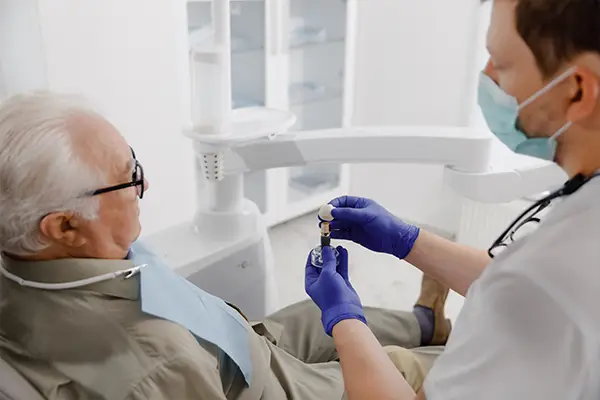
Dental implants are a popular and effective way to replace missing teeth. They look and function much like natural teeth, giving people back their smiles and confidence. But, just like natural teeth, dental implants require proper care to stay healthy. One potential problem that can arise is peri-implantitis. It's important to understand what you need to know about this condition so you can protect your investment and maintain your oral health.
What is Peri-Implantitis?
Peri-implantitis is an inflammatory condition affecting the tissues around a dental implant. It's similar to periodontitis (gum disease) that affects natural teeth. Essentially, it's an infection that damages the soft tissue and bone surrounding the implant. This can lead to bone loss, implant instability, and ultimately, implant failure. That's why it is so important to understand implantitis.
What Causes Peri-Implantitis?
Several factors can contribute to the development of peri-implantitis. The primary culprit is bacteria. Plaque, the sticky film that constantly forms on our teeth, can also build up around dental implants. If this plaque isn't removed through regular brushing and flossing, it can irritate the gums and lead to inflammation.
Other risk factors include:
•
Poor oral hygiene: Inadequate brushing and flossing allow bacteria to thrive.
•
History of periodontitis: Individuals with a history of gum disease are more susceptible.
•
Smoking: Smoking impairs the body's ability to heal and fight infection.
•
Diabetes: Uncontrolled diabetes can weaken the immune system.
•
Excessive cement: Cement left behind after implant placement can harbor bacteria.
•
Implant position: An improperly positioned implant can be difficult to clean.
•
Bite Overload: Excessive pressure on the implant can damage the surrounding bone.
What are the Symptoms of Peri-Implantitis?
Recognizing the signs of peri-implantitis early is crucial for successful treatment. Some common symptoms include:
•
Red, swollen, or tender gums around the implant.
•
Bleeding when brushing or probing around the implant.
•
Pus or discharge from around the implant.
•
Receding gums, exposing the implant threads.
•
Loose implant or feeling of movement.
•
Bone loss around the implant (visible on X-rays).
It's important to note that peri-implantitis can sometimes be painless in its early stages. Therefore, regular check-ups with your dental professional are essential for early detection.
How is Peri-Implantitis Treated?
The goal of peri-implantitis treatment is to eliminate the infection, stop the bone loss, and save the implant. Treatment options vary depending on the severity of the condition. Non-surgical treatments may involve meticulous cleaning of the implant surface to remove plaque and bacteria. This might include special instruments and antimicrobial solutions.
In more advanced cases, surgical intervention may be necessary. This could involve:
•
Debridement: Cleaning the infected area and removing damaged tissue.
•
Bone grafting: Replacing lost bone around the implant.
•
Guided bone regeneration: Using membranes to promote bone growth.
•
Implant surface decontamination: Cleaning the implant surface to remove bacteria.
How Can You Prevent Peri-Implantitis?
Prevention is always better than cure. The best way to prevent peri-implantitis is to practice good oral hygiene. This includes:
•
Brushing your teeth at least twice a day with a soft-bristled toothbrush.
•
Flossing daily to remove plaque from between your teeth and around the implant.
•
Using an interdental brush to clean around the implant.
•
Using an antimicrobial mouthwash.
•
Visiting your dental professional for regular check-ups and cleanings.
If you have dental implants, it's important to be vigilant about your oral health and to seek professional help if you notice any signs of peri-implantitis. With proper care and attention, you can enjoy the benefits of your dental implants for many years to come.
About |Dental Implants Glenview, IL | Glen Perio At Glen Periodontics & Implant Dentistry, we provide the best services for patients, when it comes to implant and periodontal treatments. Call our experts here! Glen Perio - Dr. Joshua Hassan, 2640 Patriot Boulevard Suite 140, Glenview, IL 60026 • 224-488-3392 • glenperio.com • 9/18/2026 • Tags: dental implants Glenview IL •


 Dental implants are a popular and effective way to replace missing teeth. They look and function much like natural teeth, giving people back their smiles and confidence. But, just like natural teeth, dental implants require proper care to stay healthy. One potential problem that can arise is peri-implantitis. It's important to understand what you need to know about this condition so you can protect your investment and maintain your oral health.