What is Causing Your Gums to Recede?
Posted on 6/1/2026 by Glen Perio |
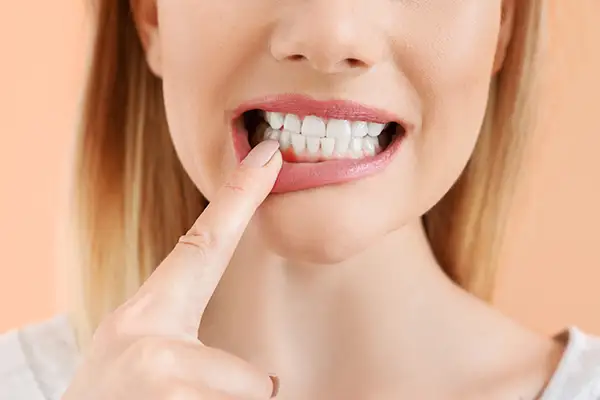 Have you noticed that your teeth look longer than they used to? Or that they seem more sensitive, especially to hot or cold? You might be experiencing gum recession, a common dental problem where the gum tissue pulls back, exposing more of the tooth and even the tooth's root. It’s important to understand what causes this so you can take steps to protect your smile. Have you noticed that your teeth look longer than they used to? Or that they seem more sensitive, especially to hot or cold? You might be experiencing gum recession, a common dental problem where the gum tissue pulls back, exposing more of the tooth and even the tooth's root. It’s important to understand what causes this so you can take steps to protect your smile.
What is Gum Recession?
Gum recession isn't just a cosmetic issue; it can lead to serious oral health problems if left untreated. When gums recede, pockets can form between the teeth and gums, creating a perfect place for bacteria to accumulate. This can lead to tooth decay, bone loss, and eventually, even tooth loss.
Common Culprits Behind Gum Recession
Several factors can contribute to gum recession. Identifying these factors is the first step in prevention and treatment.
| • |
Aggressive Toothbrushing: Brushing too hard, or using a hard-bristled toothbrush, can wear away the enamel on your teeth and damage your gum tissue. Think of it like scrubbing a delicate fabric – too much force will cause damage. |
| • |
Periodontal Disease: This is a bacterial infection that affects the gums and bone supporting your teeth. Gingivitis, the early stage of gum disease, can progress to periodontitis, a more severe form that directly causes gum recession. |
| • |
Genetics: Unfortunately, some people are simply more prone to gum recession due to their genetic makeup. Even with excellent oral care, they may experience some recession. |
| • |
Poor Oral Hygiene: Inadequate brushing and flossing allows plaque and tartar to build up along the gum line. These deposits irritate the gums, leading to inflammation and recession. |
| • |
Tobacco Use: Smoking and chewing tobacco significantly increase the risk of gum recession. Tobacco weakens the immune system, making it harder for the body to fight off gum infections. |
| • |
Teeth Grinding or Clenching: Grinding your teeth (bruxism), especially at night, can put excessive force on your teeth and gums, leading to recession. |
| • |
Misaligned Bite: If your teeth don't come together properly, it can put extra pressure on certain teeth and gums, contributing to recession. |
| • |
Lip or Tongue Piercings: Jewelry in the lip or tongue can rub against the gums, causing irritation and recession over time. |
Prevention is Key
The good news is that gum recession can often be prevented or managed with proper oral care. Here are some key strategies for prevention dentistry:
| • |
Brush Gently: Use a soft-bristled toothbrush and a gentle, circular motion when brushing. Avoid scrubbing. |
| • |
Floss Daily: Flossing removes plaque and food particles from between your teeth, where your toothbrush can't reach. |
| • |
See Your Dentist Regularly: Regular dental checkups and cleanings allow your dentist to detect and treat early signs of gum disease. |
| • |
Quit Tobacco: If you smoke or chew tobacco, quitting is one of the best things you can do for your oral health. |
| • |
Manage Teeth Grinding: If you grind your teeth, talk to your dentist about a mouthguard to protect your teeth and gums. |
| • |
Consider Professional Cleanings: Regular professional cleanings can remove plaque and tartar buildup that you can't remove at home. |
What to Do if You Notice Gum Recession
If you suspect you have gum recession, it's important to see your dentist as soon as possible. Early detection and treatment can help prevent further damage and preserve your smile. Your dentist can assess the cause of your recession and recommend the best course of action to protect your gums and teeth.
|
|


