How Untreated Periodontal Disease can Lead to Tooth Loss
Posted on 8/3/2026 by Glen Perio |
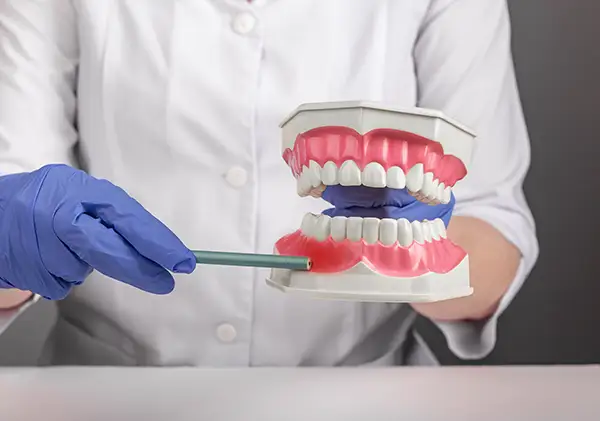 Have you ever wondered what happens when gum problems go unnoticed or ignored? It's more than just bad breath or a little bleeding when you brush. Over time, untreated problems in your gums can lead to serious consequences, including the possibility of losing your teeth. Let's explore how this happens and why it's important to take care of your gums. Have you ever wondered what happens when gum problems go unnoticed or ignored? It's more than just bad breath or a little bleeding when you brush. Over time, untreated problems in your gums can lead to serious consequences, including the possibility of losing your teeth. Let's explore how this happens and why it's important to take care of your gums.
What is Periodontal Disease?
Periodontal disease, also known as gum disease, is an infection that damages the soft tissues and bone that support your teeth. It starts with plaque, a sticky film of bacteria that constantly forms on your teeth. When plaque isn't removed through regular brushing and flossing, it can harden into tartar (also called calculus). Tartar is much more difficult to remove and provides a rough surface for even more bacteria to accumulate.
This buildup of bacteria irritates the gums, causing inflammation. In the early stages, this inflammation is called gingivitis. Gums may become red, swollen, and bleed easily, especially when brushing or flossing. At this stage, the damage is still reversible with good oral hygiene and professional cleanings.
The Progression to Tooth Loss
If gingivitis is left untreated, it can progress to periodontitis. This is a more severe form of periodontal disease where the inflammation starts to destroy the tissues and bone that hold your teeth in place. The gums begin to pull away from the teeth, forming pockets that become infected. These pockets deepen over time, allowing more bacteria to invade and further damage the bone and tissues.
As the supporting structures are destroyed, teeth become loose. Eventually, without treatment, the teeth may become so unstable that they need to be extracted, resulting in tooth loss.
Why Early Detection Matters
The key to preventing tooth loss from periodontal disease is early detection and treatment. Regular dental check-ups are crucial because a dental professional can identify the early signs of gum disease, even before you notice any symptoms.
A periodontal dentist specializes in the prevention, diagnosis, and treatment of periodontal disease. They have advanced training and expertise in managing gum problems and can provide personalized treatment plans to help you maintain healthy gums and keep your teeth.
Preventing Periodontal Disease and Protecting Your Smile
Fortunately, periodontal disease is largely preventable. Here are some steps you can take to protect your gums and teeth:
| • |
Brush your teeth twice a day: Use a soft-bristled toothbrush and fluoride toothpaste to remove plaque and bacteria. |
| • |
Floss daily: Flossing removes plaque and food particles from between your teeth and along the gum line, where your toothbrush can't reach. |
| • |
Regular dental check-ups: Visit your dentist for regular check-ups and professional cleanings. |
| • |
Healthy lifestyle: A balanced diet, avoiding tobacco use, and managing stress can all contribute to better gum health. |
Taking care of your gums is just as important as taking care of your teeth. By understanding the link between untreated periodontal disease and tooth loss, you can take proactive steps to protect your smile and maintain your overall oral health. If you notice any signs of gum problems, such as bleeding gums or persistent bad breath, don't hesitate to seek professional help from a periodontal dentist. Your teeth will thank you for it!
|
|


