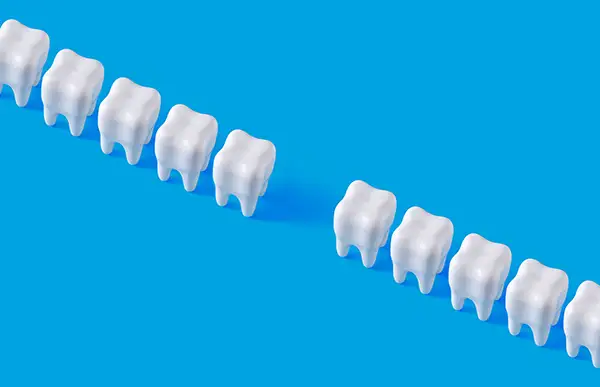
Losing a tooth can feel like a big deal, and it is! It's not just about the gap in your smile. Missing teeth can affect your overall oral care and health in ways you might not realize. Let's explore why replacing missing teeth is often recommended and what happens if you don't.
# The Ripple Effect of Missing Teeth
Imagine a row of dominoes. When one falls, it can cause a chain reaction. Similarly, when you lose a tooth, it can disrupt the balance of your entire mouth. Neighboring teeth may start to shift and tilt into the empty space. This can lead to:
•
Difficulty chewing: Missing teeth can make it harder to eat certain foods, potentially affecting your nutrition.
•
Changes in your bite: Shifting teeth can change how your upper and lower teeth come together, which can cause discomfort and even jaw pain.
•
Increased risk of cavities and gum disease: Crooked or tilted teeth are harder to clean, creating places where bacteria can thrive. This can increase your chances of developing cavities and gum disease.
# Bone Loss: A Hidden Consequence
When a tooth is lost, the bone that once supported it begins to shrink or resorb. This is because the bone needs the stimulation from chewing to stay healthy and strong. Over time, bone loss can affect the stability of neighboring teeth and even change the shape of your face, leading to a sunken appearance.
# The Importance of Restoration Dentistry
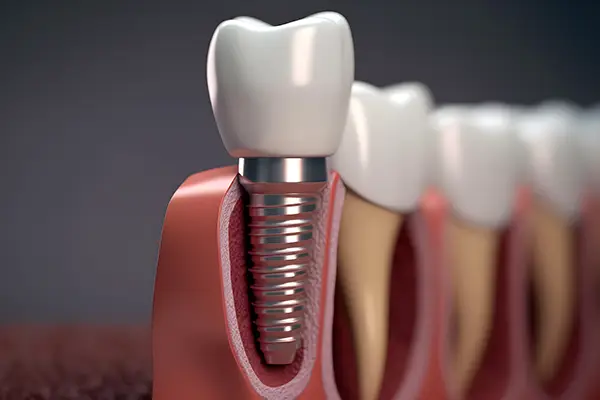
Restoration dentistry offers several options to replace missing teeth and restore your smile. These options help to:
•
Maintain proper alignment: Replacing missing teeth prevents neighboring teeth from shifting and maintains the integrity of your bite.
•
Preserve bone: Some tooth replacement options, like dental implants, stimulate bone growth and prevent further bone loss.
•
Improve chewing ability: Replacing missing teeth allows you to eat a wider variety of foods and maintain a healthy diet.
•
Enhance your smile: A complete smile can boost your confidence and improve your overall appearance.
# Types of Tooth Replacement Options
There are several ways to replace missing teeth, and the best option for you will depend on your individual needs and circumstances. Some common options include:
•
Dental Implants: These are artificial tooth roots that are surgically placed into the jawbone. A replacement tooth is then attached to the implant. Implants are a long-lasting and stable option.
•
Bridges: A bridge is a false tooth that is held in place by crowns attached to the adjacent teeth. Bridges are a more traditional option.
•
Removable Partial Dentures: These are removable appliances that replace one or more missing teeth. They are a less permanent option.
# Making an Informed Decision
The decision of whether or not to replace missing teeth is a personal one. It's essential to discuss your options with a dental professional to determine the best course of action for your specific situation. They can evaluate your oral health, discuss the pros and cons of each treatment option, and help you make an informed decision that will benefit your long-term oral health and well-being. Remember that proactive oral care is crucial for maintaining a healthy and beautiful smile for years to come.
About |Dental Implants Glenview, IL | Glen Perio At Glen Periodontics & Implant Dentistry, we provide the best services for patients, when it comes to implant and periodontal treatments. Call our experts here! Glen Perio - Dr. Joshua Hassan, 2640 Patriot Boulevard Suite 140, Glenview, IL 60026; 224-488-3392; glenperio.com; 10/1/2026; Key Phrases: dental implants Glenview IL;


 Losing a tooth can feel like a big deal, and it is! It's not just about the gap in your smile. Missing teeth can affect your overall oral care and health in ways you might not realize. Let's explore why replacing missing teeth is often recommended and what happens if you don't.
 Restoration dentistry offers several options to replace missing teeth and restore your smile. These options help to: