How Does An Implant Compare to a Real Tooth?
Glenview, IL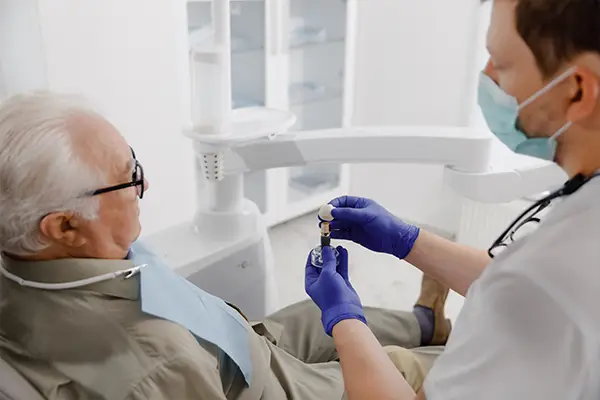 If you've lost a tooth and are exploring your options, you've likely come across dental implants. They're often described as the closest thing to a natural tooth, but what does that actually mean? Understanding how an implant is structured, how it functions, and where it differs from a natural tooth can help you have a more informed conversation with our dentists at Glen Perio. If you've lost a tooth and are exploring your options, you've likely come across dental implants. They're often described as the closest thing to a natural tooth, but what does that actually mean? Understanding how an implant is structured, how it functions, and where it differs from a natural tooth can help you have a more informed conversation with our dentists at Glen Perio.The Structure of a Natural ToothA natural tooth is more complex than it may appear. What you see above the gumline is the crown, a hard outer shell of enamel protecting the softer dentin beneath. Below the gumline, the root extends into the jawbone, anchoring the tooth in place. Surrounding the root is a thin layer of tissue called the periodontal ligament, which acts as a cushion between the tooth root and the bone. This ligament is filled with sensory nerve fibers that give your teeth their sense of touch and pressure. The root itself is not a solid structure. It contains a pulp chamber and root canals, housing the nerves and blood vessels that kept the tooth alive during development. In a fully mature tooth, these structures are less critical for survival but still contribute to sensation and response to temperature. How a Dental Implant Is BuiltA dental implant is a three-part restoration designed to replicate what a natural tooth does. The implant post is a small titanium fixture placed directly into the jawbone where the missing tooth root once sat. Over several months, the bone grows around this post in a process called osseointegration, creating a stable, bone-supported foundation. Once that integration is complete, a connector piece called an abutment is attached to the top of the implant post. This abutment serves as the anchor point for the final restoration. The crown, custom-made to match the color, shape, and size of your surrounding teeth, is then secured to the abutment. The result is a restoration that looks, sits, and functions like a natural tooth above the gumline. Where Implants and Natural Teeth Are SimilarIn terms of everyday function, dental implants come remarkably close to natural teeth. There are several areas where the two are nearly indistinguishable. Biting and Chewing ForceBecause an implant is anchored directly in the bone, it can absorb chewing pressure in a way that other tooth replacement options cannot. Most patients report being able to eat comfortably without restrictions. AppearanceA well-crafted implant crown is designed to match your natural teeth closely in shape and shade. From a normal conversational distance, there is typically no visible difference. Bone PreservationNatural tooth roots stimulate the jawbone through the pressure of chewing. Implants replicate this stimulation, helping prevent the bone loss that commonly follows tooth extraction. StabilityUnlike removable dentures, implants don't shift or require adhesives. They feel fixed and secure in the same way a natural tooth does. Where Implants and Natural Teeth DifferDespite how closely implants can mimic natural teeth, there are meaningful differences that are worth understanding. The periodontal ligament is not present around an implant. This is one of the most significant structural differences. Natural teeth have a small amount of natural flex due to the ligament's cushioning effect. Implants fuse directly to bone, which means they are actually more rigidly anchored than natural teeth. For most patients, this isn't noticeable day to day, but it does mean the implant responds to bite forces differently at a biological level. Dental implants also lack the nerve supply found inside a natural tooth. You won't experience sensitivity to temperature or pressure in the implant crown the way you might in a natural tooth. In some ways, this is a benefit, particularly for patients who experienced chronic sensitivity before losing a tooth. In other ways, it means the implant won't give you the same sensory feedback if something is wrong with the restoration. Natural teeth are also susceptible to cavities, while implant crowns are not. The titanium post and the crown material cannot decay. However, this doesn't mean implants require less attention. The gum tissue and bone surrounding the implant can still be affected by bacterial buildup. This condition, known as peri-implantitis, is similar to gum disease and can threaten the long-term stability of the implant if oral hygiene is neglected. How Implants Behave Over TimeNatural teeth go through a lifetime of wear, minor shifts, and biological changes. They can be affected by grinding, gum recession, and the natural movement that occurs in the mouth over decades. Dental implants are subject to some of these same forces but respond to them differently. Because the implant post integrates with bone, it doesn't shift with the natural drift that affects teeth over time. This is generally an advantage, but it does mean that if significant dental changes occur in the surrounding teeth, an implant crown may eventually look or feel slightly out of place and may need to be updated. The crown portion of an implant, like any dental restoration, will eventually show signs of wear and may need to be replaced depending on how well it's maintained and the forces placed on it. The Role of Oral HygieneCaring for an implant is similar to caring for a natural tooth in most respects. Brushing twice daily, flossing around the implant, and attending regular dental cleanings are all essential. Where patients sometimes make the mistake of pulling back is in thinking that because the implant can't get a cavity, it doesn't need the same level of attention. The gum tissue around an implant is just as vulnerable, if not more so in certain cases, as the tissue around natural teeth. Your dentist may recommend specific tools, such as interdental brushes or water flossers, to keep the area around the abutment clean and free of plaque buildup. Is a Dental Implant Right for You?A dental implant is one of the most effective ways to replace a missing tooth, and its similarities to a natural tooth are substantial. Still, it's a restoration, not a biological replacement. Understanding that distinction helps set realistic expectations and supports better long-term care. If you've experienced tooth loss and want to explore whether an implant is appropriate for your situation, Glen Perio can evaluate your bone health, gum condition, and overall oral health to help you make a confident, well-informed decision. Contact our office today at 224-488-3392 to schedule a consultation. |
 |

