What Risks Are Associated with Dental Implants?
Glenview, IL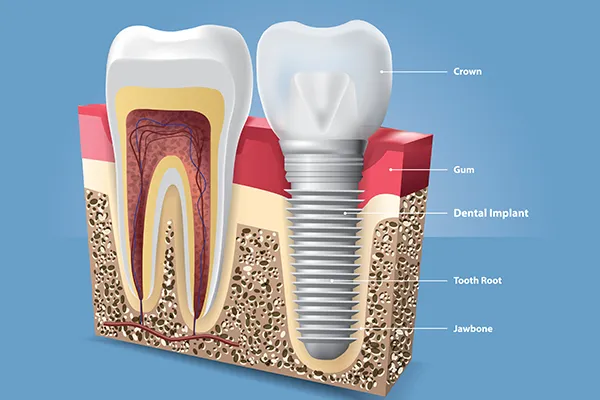
Dental implants have become a widely used and dependable option for replacing missing teeth, offering stability and a natural appearance that closely resembles your own smile. While the success rate for dental implants is high, it is still a surgical procedure, and like any procedure, there are potential risks to understand. Understanding The Nature Of Implant TreatmentA dental implant is designed to replace both the visible portion of a tooth and its root. The implant post is placed into the jawbone, where it gradually integrates with the surrounding bone. This process provides a strong foundation for a crown, bridge, or denture. Because the procedure involves surgery and healing time, certain risks can arise during or after treatment. Most complications are uncommon and can often be managed effectively when identified early. Infection At The Implant SiteOne of the most common risks associated with dental implants is infection at the surgical site. This can occur if bacteria enter the area during healing or if oral hygiene is not maintained afterward. Infection may cause symptoms such as swelling, discomfort, or drainage around the implant. When caught early, infections are typically treatable with professional care and improved home hygiene. Patients are given detailed aftercare instructions following implant placement to reduce this risk. Following these guidelines closely plays a key role in protecting the area as it heals. Implant Failure Or Lack Of IntegrationFor an implant to be successful, it must properly fuse with the jawbone through a process called osseointegration. In some cases, this process does not occur as expected, leading to implant instability or failure. Several factors can contribute to this outcome, including insufficient bone density, excessive pressure on the implant too soon, or underlying health conditions that affect healing. Smoking is also a known factor that can interfere with proper integration. If an implant fails to integrate, it may need to be removed. In many cases, the area can heal, and a new implant may be placed after additional preparation. Nerve Or Tissue DamageDuring implant placement, there is a small risk of affecting nearby nerves or soft tissues. This is more likely when implants are placed in areas where nerves run close to the surface, such as the lower jaw. Symptoms of nerve involvement may include numbness, tingling, or altered sensation in the lips, gums, or chin. While these effects are often temporary, they can occasionally last longer depending on the extent of the irritation. Careful imaging and planning significantly reduce the likelihood of this complication. Advanced diagnostic tools allow for precise placement and help avoid critical structures. Sinus Complications In The Upper JawWhen implants are placed in the upper back portion of the jaw, they may be close to the sinus cavities. If the implant extends too far into this space, it can lead to sinus discomfort or infection. To reduce this risk, additional procedures such as a sinus lift may be recommended when bone height is limited. This creates a safer and more stable foundation for implant placement. With proper planning, sinus-related complications are uncommon. Bone Loss Around The ImplantHealthy bone is essential for supporting a dental implant. Over time, some patients may experience bone loss around the implant, which can affect its stability. This condition, sometimes referred to as peri-implant bone loss, may be linked to infection, excessive bite forces, or underlying health concerns. Routine dental visits allow for monitoring of the implant and surrounding bone. Early detection makes it possible to address changes before they progress further. Peri-ImplantitisPeri-implantitis is a condition that involves inflammation and infection of the tissues surrounding a dental implant. It is similar to gum disease but occurs around an implant rather than a natural tooth. This condition can lead to bone loss if left untreated. Signs may include redness, swelling, bleeding, or a deepening space around the implant. Poor oral hygiene is a common contributing factor, although other factors such as smoking and certain medical conditions may also play a role. Factors That Can Increase RiskWhile dental implants are suitable for many patients, certain factors can increase the likelihood of complications:
Addressing these concerns before treatment begins often improves outcomes. In some cases, additional procedures or preventive measures may be recommended to create a healthier foundation. Managing Discomfort And Healing ConcernsSome level of discomfort is expected after implant placement, as the body begins the healing process. Swelling, minor bleeding, and tenderness are common in the first few days. These symptoms usually improve with time and proper care. Patients are typically advised to follow specific guidelines during recovery, including eating softer foods, keeping the area clean, and avoiding activities that could disrupt healing. Adhering to these recommendations supports a smoother recovery period. If pain increases rather than improves, or if unusual symptoms develop, it is important to contact Glen Perio promptly. Long-Term Maintenance And MonitoringEven after successful placement and healing, dental implants require ongoing care. Regular dental visits allow for professional cleanings and monitoring of the implant and surrounding tissues. Daily oral hygiene at home remains essential. Brushing and flossing help prevent the buildup of plaque and bacteria that can lead to complications such as peri-implantitis. Specialized cleaning tools may also be recommended to maintain hard-to-reach areas. Patients who maintain consistent care habits often enjoy long-lasting results with their implants. When To Contact Glen PerioKnowing when to reach out to our office can make a meaningful difference in the outcome of your treatment. Prompt attention allows concerns to be addressed before they become more serious:
Weighing Benefits And Risks
While it is important to understand the potential risks associated with dental implants, it is equally important to recognize that complications are not the norm. Careful planning, advanced technology, and experienced clinical techniques all contribute to predictable outcomes. For many Glen Perio patients, dental implants offer a reliable way to restore function, support oral health, and improve overall quality of life. Taking the time to evaluate personal health factors and follow professional guidance helps reduce risks and supports long-term success. |
 |

