What is a Dental Implant?
Glenview, IL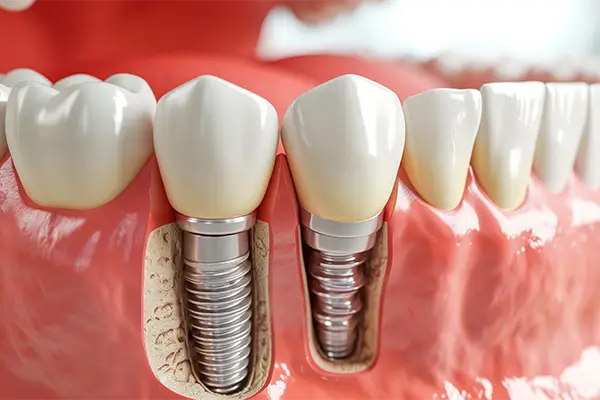 Modern implant dentistry allows patients to replace a single tooth, several teeth, or even a full arch with stable and natural-looking restorations. Dental implants have become one of the most widely used tooth replacement options because they are designed to restore both function and appearance while supporting long-term oral health. Modern implant dentistry allows patients to replace a single tooth, several teeth, or even a full arch with stable and natural-looking restorations. Dental implants have become one of the most widely used tooth replacement options because they are designed to restore both function and appearance while supporting long-term oral health.Missing teeth can affect much more than appearance alone. Gaps within the smile may influence chewing ability, speech clarity, jawbone health, and overall confidence. Understanding how dental implants work can help patients at Glen Perio feel more informed when considering treatment. Understanding Dental ImplantsA dental implant is an artificial tooth root placed into the jawbone to support a replacement tooth or restoration. Once the implant heals and integrates with the surrounding bone, it provides a stable foundation for crowns, bridges, or dentures. Most dental implants are made from titanium or other biocompatible materials designed to bond with the jawbone. This process creates support that closely resembles the function of a natural tooth root. Dental implants are commonly used to replace:
Because implants become anchored within the jawbone, they often provide greater stability than traditional removable restorations. The Parts Of A Dental ImplantA dental implant restoration typically includes several components that work together to replace the missing tooth. Each component plays an important role in restoring function and appearance. The Implant PostThe implant post is surgically placed into the jawbone. It serves as the artificial root and provides support for the restoration. The AbutmentThe abutment connects the implant post to the visible restoration. It acts as the attachment point between the implant and the replacement tooth. The RestorationThe visible portion of the implant may be a dental crown, bridge, or denture depending on the number of teeth being replaced. How Dental Implants WorkAfter placement, the implant gradually bonds with the surrounding jawbone through a healing process called osseointegration. This connection creates strong support for the final restoration. Once healing is complete, the dentist attaches the custom restoration to the implant. Dental implants function similarly to natural teeth because they:
This stability is one reason dental implants have become a popular long-term tooth replacement solution. Who May Need Dental Implants?Dental implants may be recommended for patients missing one or more teeth. Tooth loss can occur for many reasons, including injury, advanced decay, gum disease, or failed restorations. Patients often consider implants when they want a solution that looks natural and functions securely. Common reasons patients seek dental implants include:
A dental evaluation helps determine whether implants are appropriate based on oral health and jawbone condition. Different Types Of Dental Implant RestorationsDental implants can support several types of restorations depending on the patient's needs. Single Tooth ImplantsA single implant and crown replace one missing tooth without affecting neighboring teeth. Implant BridgesImplant-supported bridges replace several missing teeth in a row using strategically placed implants. Implant DenturesImplant-supported dentures provide added stability for patients missing many or all teeth. Full Arch Implant RestorationsFull arch systems use multiple implants to support an entire row of replacement teeth. These options allow implant treatment to be customized for varying levels of tooth loss. The Dental Implant ProcessDental implant treatment generally occurs in multiple stages. Every patient's treatment timeline may vary depending on healing needs and the complexity of care. Consultation And EvaluationThe dentist examines the teeth, gums, and jawbone while reviewing medical and dental history. Implant PlacementThe implant post is surgically inserted into the jawbone. Healing PeriodThe implant integrates with the bone during healing. Final Restoration PlacementOnce healing is complete, the restoration is attached to the implant. Careful planning throughout each stage supports successful long-term results. Benefits Of Dental ImplantsDental implants offer several advantages for oral function and appearance. Patients often choose implants because they:
Because implants replace the tooth root as well as the visible tooth, they support both function and bone health. How Dental Implants Support Jawbone HealthWhen a tooth is lost, the jawbone beneath the missing tooth may gradually shrink because it no longer receives stimulation from chewing. Dental implants help stimulate the jawbone similarly to natural tooth roots. This support may help reduce bone loss and preserve facial structure over time. Maintaining jawbone health can also help:
This is one reason implants are often recommended after tooth loss. How To Care For Dental ImplantsDental implants require ongoing oral hygiene and professional dental care. Patients are generally encouraged to:
Good oral hygiene helps protect both the implant and surrounding tissues. Are Dental Implants Long-Lasting?Dental implants are designed to provide durable long-term support when properly maintained. While restorations may eventually require maintenance or replacement, the implant itself can often remain stable for many years. Factors that influence implant longevity may include:
Consistent care helps support healthy and functional implant restorations. Restoring Smiles With Dental ImplantsDental implants have transformed modern tooth replacement by providing stable, natural-looking solutions for missing teeth. Whether replacing one tooth or restoring an entire smile, implants help improve chewing, speaking, appearance, and jawbone support. A professional dental consultation at Glen Perio can help determine whether implants are appropriate based on each patient's oral health needs and goals. With careful planning and proper care, dental implants can provide dependable support and long-lasting smile restoration. Contact us today at 224-488-3392 to schedule your appointment. |
 |

